Cruise Ships
Discover profiles of modern cruise ships and what they offer.
Explore cruise ships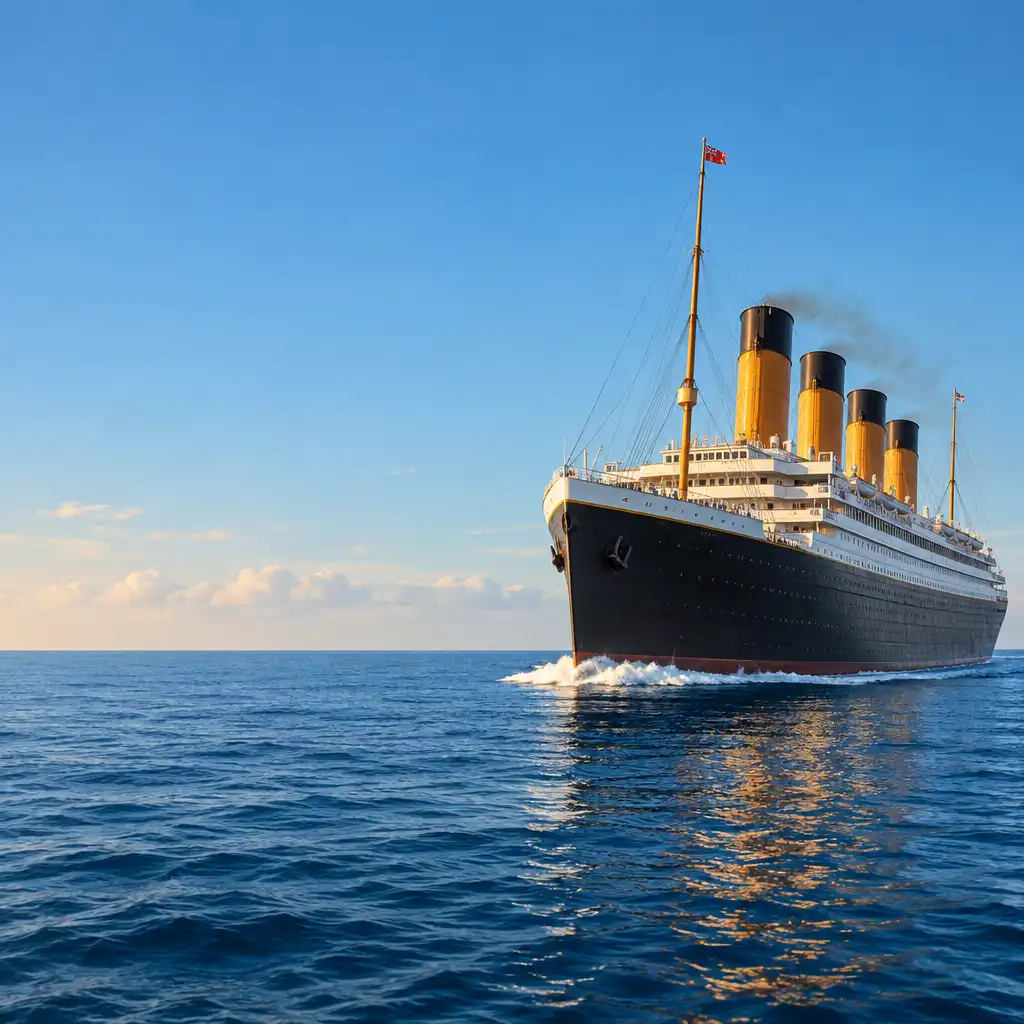
Ocean Liners
Ocean liners are more than just ships; they are floating monuments to human ambition, engineering prowess, and the romance of travel. This guide explores their history, design, and enduring legacy.
Ocean liners are designed for scheduled point-to-point transportation across oceans, often in rough seas. Their hulls are stronger, with a deeper draft and a sharper bow to cut through waves, whereas cruise ships are built for leisure cruising in calmer waters. Liners traditionally had higher freeboard and reinforced hulls for North Atlantic conditions. Speed was a priority for liners to maintain schedules, leading to powerful engines. Cruise ships, by contrast, prioritise passenger amenities and stability over speed and seaworthiness.
During the golden age, ocean liners were opulent floating palaces, with grand staircases, luxurious cabins, and fine dining. They symbolised national pride and technological achievement. Liners like the Titanic, Queen Mary, and Normandie are iconic examples, though we do not provide specific details. Travel by liner was a status symbol, with first-class passengers enjoying lavish amenities. The era declined with the rise of transatlantic air travel in the 1950s and 1960s.
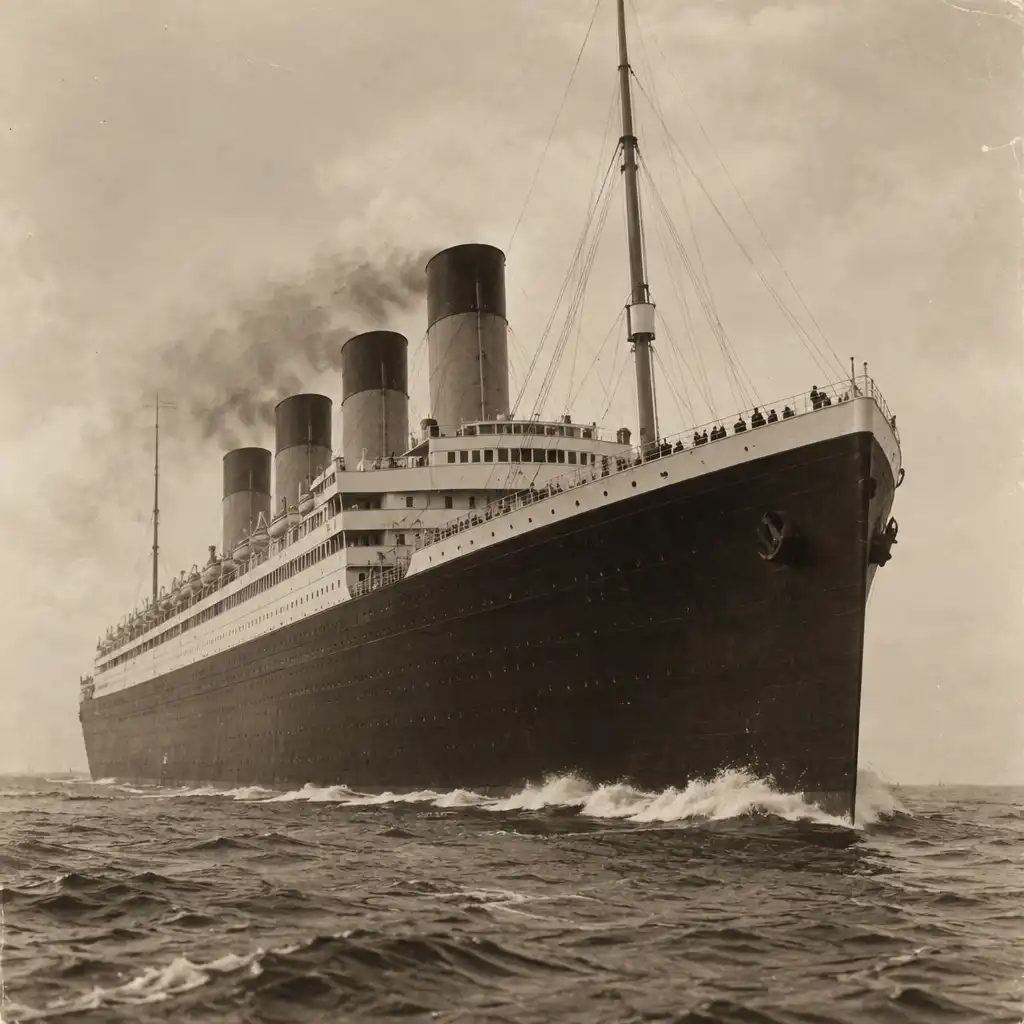
Ocean liners featured streamlined hulls and powerful steam turbine or diesel-electric propulsion systems. Their design prioritised stability and speed in rough seas. Deep drafts and reinforced bows helped them handle North Atlantic storms. Multiple propellers and rudders provided redundancy and manoeuvrability. Advancements in materials, such as high-tensile steel, improved strength.
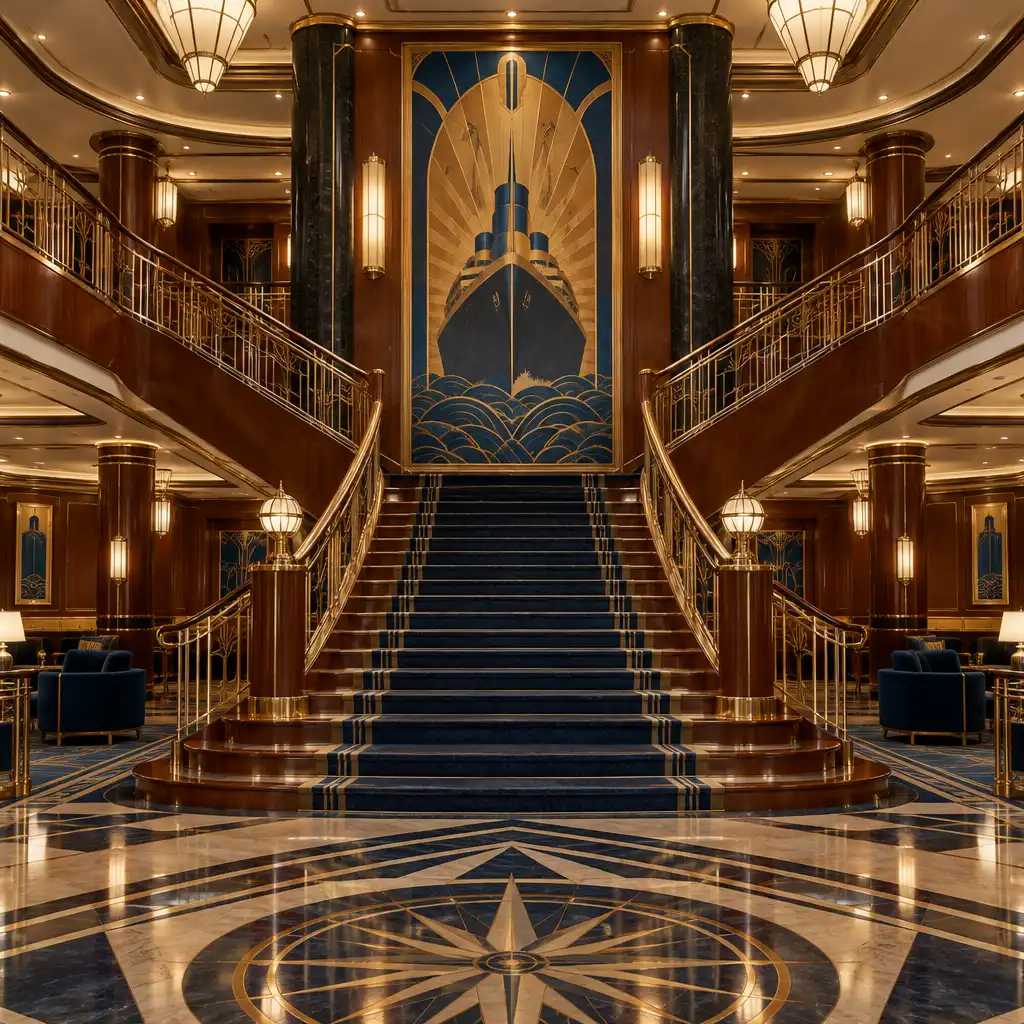
The interiors of ocean liners were designed by renowned architects and decorators, featuring Art Deco and other period styles. Public rooms were grand and spacious, while cabins ranged from luxurious suites to modest steerage. Grand staircases, ballrooms, and smoking rooms were common. First-class dining saloons rivalled the finest restaurants on land. Class divisions were reflected in the layout and decor.
Ocean liners were self-contained worlds, with strict class distinctions and a full calendar of social activities. Passengers dressed for dinner, attended lectures and concerts, and enjoyed deck games. First-class passengers had access to exclusive lounges, libraries, and promenades. Second and third class had their own dining rooms and recreational spaces. The crew worked tirelessly to maintain the ship and serve passengers.
"To travel by ocean liner was to step into a world of elegance, ritual, and boundless possibility."
The advent of commercial jet travel in the 1950s and 1960s made transatlantic flights faster and more affordable, leading to a rapid decline in ocean liner passenger numbers. Many liners were retired, scrapped, or converted into cruise ships. Airlines could cross the Atlantic in hours, not days. Operating costs for liners became unsustainable. Some liners found new life as cruise ships, though their design was not ideal for leisure cruising.
Only a handful of true ocean liners remain in service, most notably the Queen Mary 2, which continues to offer transatlantic crossings. These vessels maintain the traditions of ocean liner travel while incorporating modern amenities. Queen Mary 2 is often cited as the only purpose-built ocean liner in active service. Other former liners have been preserved as museums or hotels. Modern liners blend classic elegance with contemporary comforts.
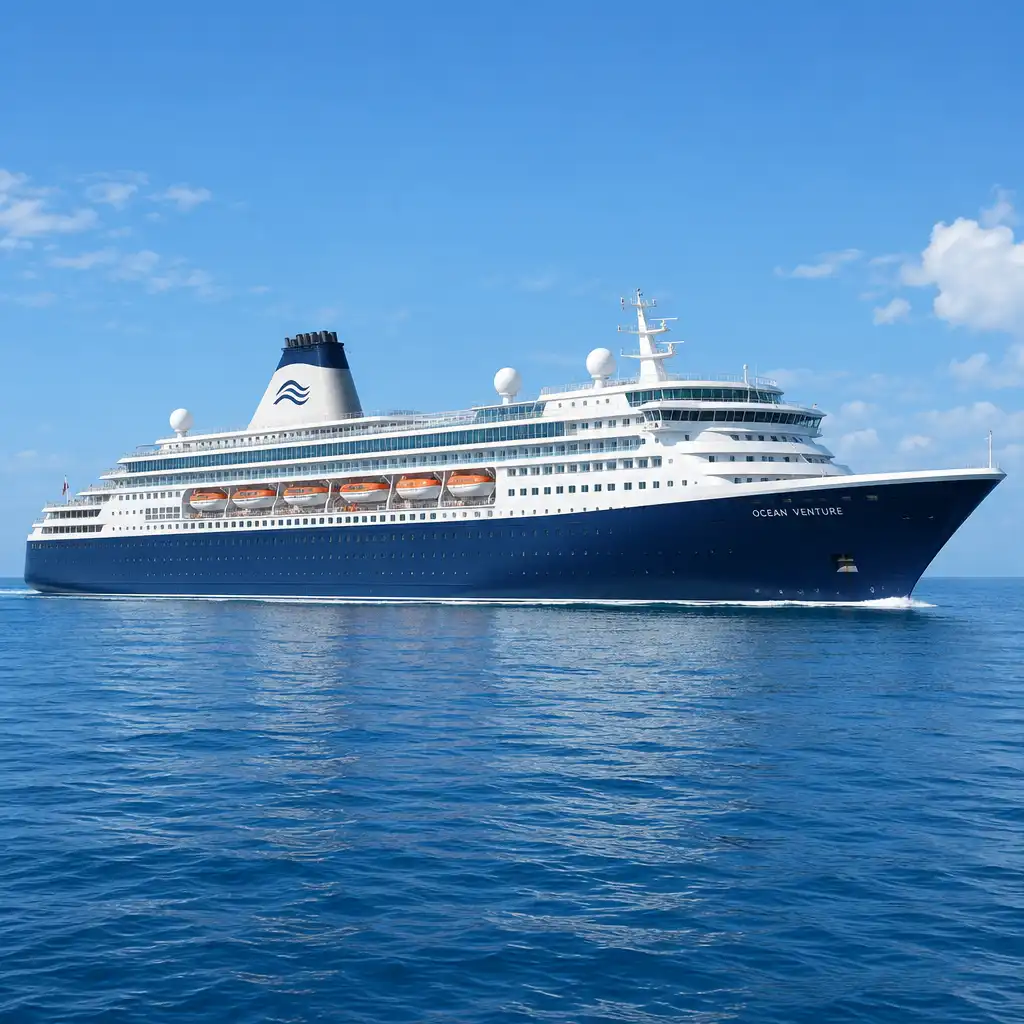
While both offer sea travel, ocean liners and cruise ships cater to different experiences. Liners focus on the journey itself, with a sense of occasion and tradition, while cruise ships emphasise destination-hopping and onboard entertainment. Ocean liners have fewer onboard attractions, a more formal atmosphere, and often longer voyages. Cruise ships offer extensive amenities, a casual atmosphere, and shorter itineraries. Costs can vary widely; we provide general guidance in NZD.
| Aspect | Ocean Liner | Cruise Ship |
|---|---|---|
| Primary purpose | Point-to-point transport | Leisure cruising |
| Hull design | Stronger, deeper draft, sharp bow | Optimised for stability and amenities |
| Speed | High, to maintain schedules | Moderate, focused on efficiency |
| Onboard atmosphere | Formal, traditional | Casual, entertainment-focused |
| Amenities | Fewer, more refined | Extensive, varied |
| Typical voyage length | Longer, often transoceanic | Shorter, destination-hopping |
Ocean liners represent a bygone era of elegance and adventure. They continue to inspire films, literature, and a dedicated community of maritime enthusiasts. Their legacy lives on in the design of modern cruise ships and the preservation of historic vessels. Ocean liners have been featured in countless works of fiction and film. Maritime museums and preserved ships allow visitors to experience the past. The romance of ocean travel persists in the popularity of transatlantic crossings.